

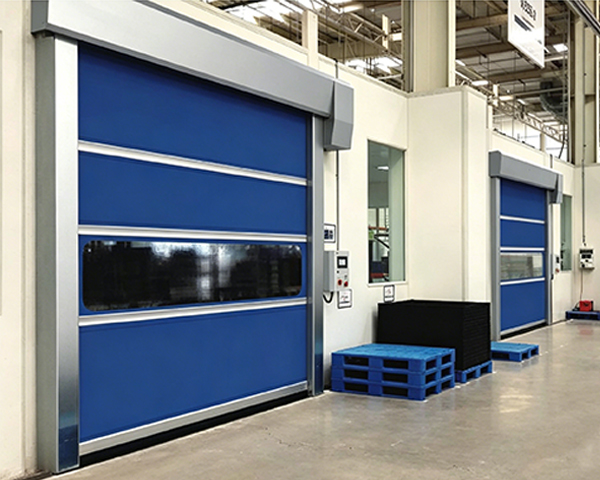
Custom flexible gate solutions are becoming a preferred choice for facilities that need reliable access control,
impact resistance, safety separation, and adaptable flow management. Across warehouses, manufacturing plants,
food processing sites, logistics hubs, cleanrooms, cold storage facilities, retail backrooms, parking areas,
and specialized production environments, a flexible gate can provide an efficient balance between durability,
visibility, convenience, and operational safety.
Unlike rigid barriers, a custom flexible gate is designed to move, bend, absorb contact, or adapt to changing
operating conditions. This makes it highly valuable in busy industrial settings where forklifts, pallet jacks,
carts, employees, and automated equipment all share space. When properly specified, a flexible gate solution can
improve workflow, reduce downtime, support compliance, and help protect both people and assets.
This page provides industry-friendly, SEO-ready information about custom flexible gate solutions for different
industries. It covers definitions, benefits, application areas, design considerations, technical specifications,
and selection factors. The content is written for use in blog posts, category pages, industry pages, and HTML
content sections.
A custom flexible gate solution is a gate system engineered to meet the specific operational, spatial, safety,
and environmental requirements of a facility. The term flexible gate can refer to a broad range
of gate structures made from flexible, semi-flexible, or impact-resistant materials, often combined with
customized dimensions, mounting systems, opening styles, and safety features.
In industrial and commercial environments, these gates are often used to define access points, control traffic,
separate work zones, guide pedestrian movement, protect sensitive areas, and manage entry and exit routes. They
may be designed as swing gates, folding gates, sliding gates, retractable gates, barrier gates, or flexible
partition-style gates depending on the application.
The “custom” aspect is important because no two facilities have the same layout or traffic pattern. A gate used
in a pharmaceutical facility may need cleanable surfaces and controlled access, while a gate in a warehouse may
require high visibility, impact tolerance, and fast operation. Customization helps ensure the gate performs
properly in the intended environment.
Flexible gate systems are increasingly used because they support modern facility demands. Industrial operations
require efficient movement, strong safety controls, and adaptable infrastructure. A well-designed gate can serve
multiple purposes at once, such as separating zones, improving security, and reducing collisions.
Custom flexible gate solutions deliver practical advantages across industries. These benefits are not limited to
security alone; they also include workflow optimization, safety improvement, maintenance reduction, and
compliance support.
Flexible gate systems can help separate pedestrians from vehicles, designate no-go areas, control access to
machinery, and reduce the risk of accidental entry. In high-traffic environments, the right gate can act as a
visual and physical boundary that supports safer movement.
In busy facilities, traffic flow matters. Custom flexible gates can guide workers and equipment through the
correct routes, helping prevent bottlenecks and improving operational efficiency.
Compared with rigid systems, many flexible gate solutions are designed to withstand minor contact and return to
service quickly. This can reduce repair frequency and help minimize disruptions.
Custom gate configurations can support controlled access to storage rooms, restricted production areas, loading
zones, or equipment rooms. Options may include locks, latches, sensors, or integration with access control
systems.
Because they can be tailored to different conditions, flexible gate solutions are suitable for many industries,
from logistics and manufacturing to food and beverage, healthcare, and retail operations.
The phrase “custom flexible gate solutions” covers several gate types. Selecting the correct style depends on
the application, available space, frequency of use, and performance requirements.
| Gate Type | Typical Use | Main Advantage |
|---|---|---|
| Flexible Swing Gate | Pedestrian access, zone separation, light-duty industrial entry | Simple operation and easy customization |
| Retractable Gate | Temporary access control, dynamic workspaces, restricted entry | Space-saving and easy to open or close |
| Sliding Gate | Wide openings, loading zones, security access points | Ideal for locations with limited swing clearance |
| Folding Gate | Compact environments, quick access areas, industrial partitions | Efficient use of space |
| Barrier-Style Gate | Traffic control, safety separation, public access management | Clear boundary definition |
| Flexible Partition Gate | Clean rooms, production zones, temporary isolation | Adaptable for controlled environments |
Custom flexible gate solutions are used in many industries because every sector has different access, safety, and
environmental requirements. Below is a breakdown of common industry applications.
Warehouses and logistics centers rely on efficient movement and strong traffic organization. Flexible gates can
help separate pedestrian pathways from forklift traffic, protect loading areas, restrict access to high-value
inventory, and support orderly movement through staging zones.
In this industry, visibility and durability are especially important. Gates may need to withstand repeated use,
occasional contact, and changing layouts as operations evolve. Custom flexible gate systems are often selected
for aisle protection, dock area management, and access control around conveyor systems or packing lines.
Manufacturing facilities often require zone separation, machine guarding, and controlled operator movement.
Flexible gate solutions can help define work cells, isolate machinery, and protect employees from hazardous or
restricted areas.
A custom gate in a manufacturing plant may need to account for temperature changes, vibration, machine noise,
and frequent opening and closing. Depending on the process, the gate may also need chemical resistance,
anti-corrosion properties, or compatibility with automated systems.
Food-grade facilities need solutions that support hygiene, washdown conditions, and contamination control.
Flexible gate systems can be used to separate clean and dirty zones, guide movement between production stages,
and reduce the risk of cross-contamination.
For food and beverage applications, material selection is critical. Surfaces may need to be easy to clean,
moisture-resistant, and suitable for high sanitation standards. Customization can also help ensure the gate
integrates with production flow without creating bottlenecks.
Cold storage environments present unique challenges, including temperature control, condensation, frost, and
frequent access needs. Flexible gate solutions can help reduce air exchange while allowing workers and equipment
to move efficiently.
In refrigerated environments, gate design may need insulation support, low-temperature material performance, and
quick operation to minimize temperature loss. A custom flexible gate can help improve energy efficiency while
maintaining workflow.
In pharmaceutical and healthcare settings, controlled access and contamination management are major concerns.
Flexible gate solutions may be used to separate sterile areas, manage access to storage rooms, and support clean
workflow in sensitive environments.
These industries often require smooth surfaces, easy cleaning, and reliable operation. Depending on the site,
custom gate systems may also need to comply with strict internal protocols and hygiene standards.
Retail backrooms, stock areas, and commercial storage spaces often benefit from flexible gate solutions that
control access without taking up unnecessary space. Gates can separate customer-facing areas from employee-only
zones, secure merchandise, and improve back-of-house organization.
In commercial environments, appearance may also matter. Gates can be designed to look clean and professional
while still delivering security and convenience.
Parking structures, transport hubs, and vehicle access points often need flexible gate systems for traffic
guidance, lane control, and restricted access. Custom gates can help direct vehicles, support secure entry, and
separate people from vehicle movement areas.
For transport-related use cases, durability, weather resistance, and visibility are often key requirements.
Reflective elements, high-contrast finishes, and strong mounting systems can improve performance in these
environments.
Cleanrooms demand strict control of particles, airflow, and access. Flexible gate solutions in these areas are
often designed to support contamination prevention, smooth flow, and compatibility with high-cleanliness
protocols.
Material choice, sealing performance, and maintenance procedures matter greatly in these environments. Custom
gate design helps ensure the solution fits the required cleanliness level and operational standards.
Not all flexible gate solutions are built the same. When comparing options, businesses should focus on features
that match their industry requirements and daily operating conditions.
| Feature | Why It Matters | Common Industry Benefit |
|---|---|---|
| Custom Dimensions | Ensures proper fit for unique openings | Better space usage and safer installation |
| Impact Resistance | Helps withstand accidental contact | Lower damage and reduced downtime |
| High Visibility | Improves awareness in busy environments | Safer pedestrian and vehicle coordination |
| Corrosion Resistance | Important in humid, wet, or chemical environments | Longer service life |
| Easy Operation | Supports frequent use and efficient workflow | Less operator fatigue |
| Secure Locking Options | Helps restrict unauthorized access | Improved facility security |
| Cleanable Surfaces | Critical for sanitation-focused environments | Supports hygiene compliance |
| Weather Resistance | Needed for outdoor or semi-exposed installations | Stable performance in varied climates |
The material selection for a custom flexible gate solution depends on the environment, safety goals, and required
lifespan. In industrial applications, materials are chosen for durability, flexibility, visibility, and
resistance to wear.
| Material | Common Property | Typical Application |
|---|---|---|
| Steel | Strong, durable, high load-bearing capability | Security gates, heavy-use industrial areas |
| Aluminum | Lightweight and corrosion-resistant | Commercial spaces, clean environments, moderate-duty uses |
| Polycarbonate | Transparent, impact-resistant | Visibility-focused safety gates |
| PVC or Polymer Composites | Flexible, customizable, moisture-resistant | Light-duty industrial and hygiene-sensitive areas |
| Stainless Steel | Corrosion-resistant, hygienic, durable | Food processing, pharmaceutical, washdown environments |
| Reinforced Fabric or Mesh | Lightweight and adaptable | Partitions, temporary barriers, controlled zones |
One of the strongest advantages of custom flexible gate solutions is the ability to configure the gate for a
specific use case. Custom options may include the following:
When planning a custom flexible gate solution, it is important to evaluate technical specifications carefully.
The right product should align with the facility’s traffic level, environment, and safety objectives.
| Specification | What to Check | Why It Matters |
|---|---|---|
| Opening Size | Exact width and height of installation area | Ensures proper fit and function |
| Traffic Frequency | How often the gate will open and close | Influences durability and mechanism choice |
| Impact Level | Expected contact from people, carts, or vehicles | Determines strength requirements |
| Environmental Exposure | Moisture, heat, cold, chemicals, dust, or UV exposure | Guides material selection |
| Cleaning Requirements | Whether frequent sanitation or washdown is needed | Impacts surface and hardware selection |
| Security Level | Low, moderate, or high access control needs | Determines locking and integration options |
| Visibility Needs | Need for clear sightlines or visual guidance | Supports safer movement and monitoring |
| Compliance Requirements | Safety, hygiene, or facility standards | Helps meet industry obligations |
In many industries, gate systems are part of broader safety strategies. While requirements vary by region and
facility type, custom flexible gate solutions often support compliance by helping create safer traffic patterns,
controlled access zones, and more organized workspaces.
Safety compliance may involve separating pedestrians from vehicles, protecting machinery, controlling entry into
restricted zones, and maintaining clear emergency routes. Flexible gate solutions can be designed to support
these goals without disrupting productivity.
Facilities should always consider local regulations, internal safety policies, and industry standards when
specifying a gate system. The gate itself should be one part of a larger safety program that includes signage,
training, inspections, and routine maintenance.
Every industry presents unique design challenges. Custom flexible gate solutions should be selected based on the
physical and operational conditions of the site.
In high-traffic areas, gate systems must be durable, easy to operate, and resistant to repeated use. A gate that
slows down movement can create bottlenecks, while one that is too lightweight may wear out prematurely.
In wet environments, corrosion resistance, sealed hardware, and cleanable materials are critical. Stainless
steel, coated components, or polymer-based structures may be preferred.
Low temperatures can affect flexibility, sealing, and mechanical operation. Materials should remain stable in
cold conditions and continue functioning without excessive force.
Outdoor gates must cope with weather exposure, UV radiation, wind, and possible temperature fluctuations. These
conditions make durability and weather resistance especially important.
Secure environments may require stronger locking systems, access control integration, tamper resistance, and
durable frame construction.
Proper installation is essential for long-term performance. Even a high-quality custom flexible gate solution can
underperform if it is poorly mounted, incorrectly aligned, or mismatched to the opening.
Installation typically involves site measurement, structural assessment, hardware selection, mounting preparation,
alignment checks, and operational testing. If the gate is part of a larger safety system, its placement should
support pedestrian routing, equipment movement, and emergency access.
Maintenance needs vary by design and environment, but routine inspection is usually recommended. Common
maintenance tasks may include:
Choosing the right solution starts with understanding the facility’s purpose and operating conditions. The best
custom flexible gate is the one that supports workflow, safety, and longevity without adding unnecessary
complexity.
| Selection Factor | Questions to Ask | Outcome |
|---|---|---|
| Use Case | Is the gate for access control, traffic separation, safety, or containment? | Clarifies product type |
| Frequency of Use | Will it be opened occasionally or many times per hour? | Determines durability requirements |
| Environment | Is the area dry, wet, cold, hot, dusty, or chemical-exposed? | Guides material choice |
| Space Limitations | Is there enough clearance for swing, slide, or fold operation? | Helps select the correct mechanism |
| Safety Needs | Should the gate protect people, equipment, or sensitive zones? | Identifies necessary safety features |
| Cleaning and Hygiene | Does the gate need frequent cleaning or sanitation? | Influences finish and hardware choice |
| Security Requirements | Is unauthorized access a concern? | Determines lock and control options |
For content planning, category pages, and search optimization, the following keyword themes are relevant to
custom flexible gate solutions across different industries:
A flexible gate solution becomes custom when it is designed to match specific opening sizes, traffic patterns,
material requirements, operating methods, and environmental conditions.
Yes, many flexible gate systems are built for high-frequency use, especially when they are specified with
durable materials, reinforced components, and proper mounting.
Yes. Depending on the design, a flexible gate can support safety separation, access restriction, and security
control at the same time.
Warehousing, logistics, manufacturing, food processing, cold storage, healthcare, retail, and controlled
environments all commonly benefit from custom gate solutions.
The main advantage is fit. A custom flexible gate solution can be tailored to the exact operational and spatial
needs of the facility, improving performance and reducing compromise.
Custom flexible gate solutions for different industries are a practical way to improve safety, manage access,
optimize traffic flow, and adapt to specialized facility requirements. From warehouses and factories to food
processing, cold storage, healthcare, and commercial spaces, the right gate system can support smoother
operations and stronger control over how people and equipment move through a facility.
By focusing on customization, material selection, operating style, durability, and environmental compatibility,
businesses can choose a flexible gate solution that works well in real-world conditions. Whether the goal is
safety separation, access management, or workflow improvement, a well-planned custom flexible gate can provide a
reliable and long-lasting infrastructure upgrade.
```
Shenyang Manlong Metal Products Co., Ltd.


Copyright © 2026 Shenyang Manlong Metal Products Co., Ltd. Todos los derechos reservados Aplicaciones
Este sitio web utiliza cookies para garantizar que obtenga la mejor experiencia en nuestro sitio web.

 English
 Portugues
 Pусский
 Français
 Deutsch
 العربية
 ไทย
ไทย Türk dili
 Tiếng Việt



 Teléfono
Comentario
(0)