

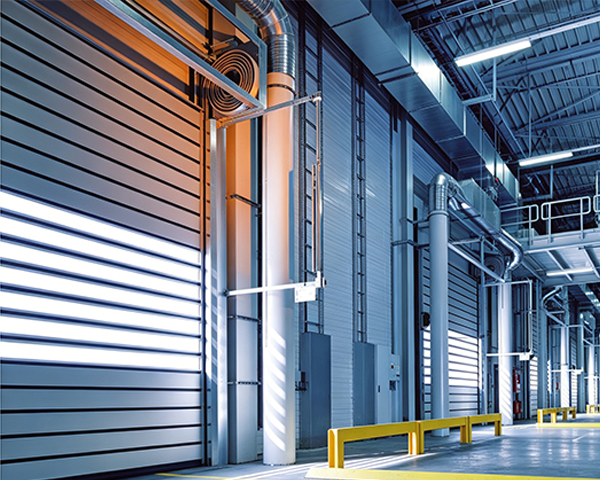
Custom Rapid Stacking Door Manufacturing Solutions are designed for projects that require fast operation, space-saving performance, and tailored fabrication to match specific architectural or industrial needs. These door systems are widely used in commercial buildings, warehouses, distribution centers, automotive facilities, aviation hangars, food processing areas, and other high-traffic environments where efficiency, durability, and safety are essential. For businesses and project planners looking for a reliable, flexible, and scalable door solution, rapid stacking doors offer an ideal combination of speed, strength, and customization.
This guide provides a complete overview of custom rapid stacking door manufacturing, including definitions, product structure, benefits, common applications, available specifications, material choices, operational features, and factors to consider when specifying a solution. The information below is written in a search engine friendly format and can be directly inserted into a blog post, category page, service page, or industry resource page.
A custom rapid stacking door is a high-performance industrial door system that opens vertically and stacks multiple curtain sections upward in a controlled manner. Unlike traditional rolling or sliding doors, stacking doors are engineered to combine speed, structural strength, and efficient space usage. The “rapid” aspect refers to fast opening and closing cycles, which help improve workflow, reduce energy loss, and support traffic efficiency in busy facilities.
The “custom” part of custom rapid stacking door manufacturing solutions refers to the ability to tailor dimensions, materials, window panels, insulation levels, hardware, control systems, and safety features according to project requirements. This flexibility allows manufacturers to create door systems for large openings, specialized environments, and unique operational conditions.
In many projects, rapid stacking doors are chosen when a facility needs a door that can open quickly, withstand frequent use, and occupy minimal overhead or side space. These doors are commonly manufactured for both indoor and outdoor applications and can be configured for wind resistance, thermal efficiency, noise reduction, and hygiene compliance.
Standard door products do not always fit the demands of modern industrial and commercial operations. In many facilities, the opening size, traffic frequency, temperature control requirements, and safety conditions are highly specific. Custom rapid stacking door manufacturing solves this problem by delivering a door solution built around the exact needs of the building and its daily operations.
A custom-manufactured system improves performance in several ways:
For facility managers, architects, contractors, and industrial buyers, custom rapid stacking door manufacturing solutions offer a practical way to balance performance, cost control, and long-term reliability.
Rapid stacking doors are valued for their combination of speed and compact operation. Below are the most important advantages of choosing this type of door system.
| Advantage | Description |
|---|---|
| Fast Operation | Designed for quick opening and closing to support high traffic and reduce bottlenecks. |
| Space Efficiency | The stacking mechanism reduces the footprint required for door movement and storage. |
| Custom Fit | Can be manufactured to match specific width, height, and structural requirements. |
| Energy Savings | Helps reduce heat loss, cooling loss, and unwanted air exchange in controlled environments. |
| High Durability | Built for repeated cycles and demanding industrial or commercial use. |
| Improved Safety | Can include sensors, emergency stop functions, and visibility panels for safer operation. |
| Operational Flexibility | Suitable for a wide range of industries, building types, and climate conditions. |
These benefits make rapid stacking doors a strong option for businesses that want a door system with long service life and strong operational value.
Custom rapid stacking door manufacturing solutions are used in a wide variety of industries. Their adaptability makes them suitable for many different facility types and operational needs.
| Industry / Application | Common Use Case |
|---|---|
| Warehousing and Logistics | High-frequency loading zones, material handling areas, and transfer points. |
| Manufacturing Plants | Production entrances, internal partitions, and controlled access openings. |
| Cold Storage | Temperature-sensitive spaces where fast door movement reduces air leakage. |
| Food and Beverage Facilities | Areas that require hygiene, controlled environment performance, and easy cleaning. |
| Automotive Facilities | Service bays, assembly areas, and vehicle access points with frequent traffic. |
| Aviation and Hangars | Large openings that require reliable, wide-span door systems. |
| Retail Distribution Centers | Shipment and receiving zones where speed and efficiency are critical. |
| Clean Rooms and Controlled Environments | Openings where airflow and contamination control matter. |
In each of these environments, the goal is the same: improve access while maintaining safety, environmental control, and long-term performance.
A custom rapid stacking door is made up of several important components that work together to ensure smooth movement and dependable operation. The exact design will depend on the manufacturer, project requirements, and application environment, but most systems include the following elements.
| Component | Function |
|---|---|
| Door Curtain / Panels | The main moving surface of the door, often made from fabric, PVC, insulated material, or composite sections. |
| Vertical Support Structure | Provides stability and guides the door movement during opening and closing. |
| Stacking Mechanism | Allows the door sections to fold, lift, or stack in a controlled way. |
| Drive System | Usually motorized for fast, reliable, and repeatable operation. |
| Control Panel | Manages operation settings, safety functions, and automation connections. |
| Safety Sensors | Detect obstacles, people, or vehicles to reduce accident risks. |
| Guide Rails / Tracks | Keep the door aligned during movement and stacking. |
| Sealing System | Helps reduce drafts, dust entry, sound transfer, and thermal loss. |
High-quality manufacturing focuses on precision assembly, consistent material quality, and reliable hardware integration. These factors are essential for cycle life, safety, and maintenance efficiency.
Material selection is one of the most important parts of custom rapid stacking door manufacturing solutions. The right material affects strength, insulation, visibility, hygiene, weather resistance, and total lifecycle performance.
| Material Type | Common Characteristics | Typical Benefit |
|---|---|---|
| PVC / Flexible Fabric | Lightweight, flexible, fast-moving, and cost-effective. | Ideal for high-speed operation and frequent use. |
| Insulated Panels | Better thermal performance, rigid structure, and energy control. | Suitable for cold storage and climate-sensitive spaces. |
| Aluminum | Corrosion-resistant, lightweight, and durable. | Useful for clean, modern, or outdoor-facing applications. |
| Stainless Steel | Hygienic, strong, and resistant to moisture and chemicals. | Common in food processing and sanitary environments. |
| Polycarbonate Windows | Transparent, impact-resistant, and visually useful. | Improves visibility and operational safety. |
| Composite Materials | Combines performance features from multiple material types. | Allows targeted customization for specialized conditions. |
Material choices should be based on operational needs, environmental exposure, cleaning requirements, and the expected number of daily cycles. For example, a temperature-controlled warehouse may benefit from insulated sections, while a logistics entry point may prioritize speed and visibility.
Custom rapid stacking door manufacturing solutions are defined by a wide range of specifications. These specifications help determine the door’s suitability for a project and should be reviewed carefully during planning and procurement.
| Specification | Typical Customization Range |
|---|---|
| Door Width | Custom-made for small, medium, or very large openings. |
| Door Height | Can be adapted for standard doors, oversized industrial openings, or hangar-scale access. |
| Opening Speed | Varies by application and drive system, often optimized for fast traffic flow. |
| Cycle Frequency | Designed for low, medium, or high-cycle operations depending on usage intensity. |
| Wind Resistance | Can be reinforced for exterior and high-wind installations. |
| Insulation Level | Available in basic, enhanced, or high-performance thermal configurations. |
| Visibility Options | May include transparent panels, windows, or viewing strips. |
| Automation Features | Can support remote control, radar, push button, induction loops, and access control integration. |
| Safety Systems | Includes light curtains, photocells, pressure edges, and emergency stop functions. |
| Surface Finish | Can be tailored for industrial use, corrosion resistance, or aesthetic matching. |
Because every project is different, manufacturers often review the site conditions, opening size, traffic patterns, and performance goals before finalizing the specifications.
The manufacturing process for a custom rapid stacking door typically follows a structured sequence to ensure accurate design, reliable fabrication, and proper installation. While details vary by producer, the general workflow is often as follows:
A well-managed manufacturing workflow helps reduce downtime, improve consistency, and support long-term product reliability.
When evaluating custom rapid stacking door manufacturing solutions, buyers should look for performance features that match their specific operational requirements. The best systems are not only fast, but also durable, safe, and easy to maintain.
| Performance Feature | Why It Matters |
|---|---|
| Fast Cycle Time | Reduces waiting time and supports efficient material flow. |
| Reliable Motor System | Ensures stable performance during frequent daily use. |
| Low Maintenance Design | Minimizes operating costs and service interruptions. |
| Strong Structural Integrity | Improves safety and long-term durability. |
| Noise Reduction | Helps create a more comfortable working environment. |
| Good Environmental Sealing | Supports climate control and contamination prevention. |
| Flexible Control Integration | Allows the door to connect with access systems and automation platforms. |
| Safety Compliance | Important for meeting workplace safety expectations and reducing liability. |
These features are especially important in facilities where the door is part of a larger workflow system and is used many times per hour.
One of the greatest strengths of custom rapid stacking door manufacturing solutions is the wide range of customization options available. These options help the door perform better in specific environments and can also improve visual consistency with the surrounding building design.
| Customization Area | Examples of Options |
|---|---|
| Size | Custom width and height based on opening requirements. |
| Color | Standard industrial colors or custom brand-matching finishes. |
| Panel Design | Solid, transparent, insulated, or reinforced panel configurations. |
| Opening Method | Automatic, semi-automatic, push-button, sensor-operated, or remote-controlled. |
| Safety Technology | Obstacle detection, warning lights, interlocks, and emergency stop systems. |
| Insulation Performance | Light, medium, or high insulation levels depending on the site. |
| Environmental Resistance | Moisture resistance, corrosion resistance, or wind-load reinforcement. |
| Viewing Sections | Windows or transparent inserts for visibility and accident prevention. |
Because each facility has different traffic, climate, and operational goals, customization plays a major role in the final success of the door system.
Understanding how rapid stacking doors compare with other common door types can help buyers select the right solution for their application.
| Door Type | Main Strength | Best Fit |
|---|---|---|
| Rapid Stacking Door | Fast operation with compact stacking movement. | High-traffic environments and large openings. |
| Roll-Up Door | Simplified vertical rolling design. | General industrial access and moderate use. |
| Sliding Door | Horizontal movement and robust structure. | Wide openings with side clearance available. |
| Sectional Door | Good insulation and overhead storage. | Warehouses, garages, and commercial loading areas. |
| High-Speed Fabric Door | Very fast cycling and lightweight construction. | Indoor separation and controlled environments. |
Rapid stacking doors are often chosen when a project needs both the speed of a high-performance door and the structural capability to handle larger or more demanding openings.
The quality of a custom rapid stacking door depends on several manufacturing and design factors. Since the system is often used in demanding environments, poor design or low-grade components can reduce performance and increase maintenance costs.
In practical terms, buyers should focus on product engineering, build consistency, and technical support rather than price alone.
Although custom rapid stacking doors are designed for reliability, regular maintenance is still important. Preventive service helps extend product life, maintain smooth operation, and reduce unexpected breakdowns.
| Maintenance Task | Purpose |
|---|---|
| Visual Inspection | Checks for wear, misalignment, or surface damage. |
| Hardware Tightening | Ensures components remain secure during repeated use. |
| Track Cleaning | Removes dust or debris that could affect movement. |
| Sensor Testing | Confirms safety systems are functioning correctly. |
| Motor Inspection | Helps detect electrical or mechanical issues early. |
| Seal Replacement | Maintains airflow control and environmental performance. |
| Operational Testing | Verifies speed, balance, and opening/closing consistency. |
A strong maintenance schedule is especially important in high-cycle facilities, where door systems may operate many times per hour and are exposed to dust, moisture, or temperature variation.
For content planning, category optimization, and ranking support, the following keyword themes are strongly related to custom rapid stacking door manufacturing solutions. These phrases can be naturally included in headings, subheadings, product descriptions, and supporting text.
| Keyword Theme | Search Intent |
|---|---|
| Custom rapid stacking door manufacturing | General service and product intent. |
| Rapid stacking door solutions | Commercial and industrial door sourcing. |
| Custom industrial stacking doors | Project-based specification and procurement. |
| High-speed stacking door systems | Performance-focused search intent. |
| Manufactured stacking doors for warehouses | Warehouse and logistics application intent. |
| Energy-efficient industrial doors | Thermal control and operating cost intent. |
| Large opening door solutions | Oversized opening and structural requirement intent. |
| Custom door fabrication for industry | Fabrication and manufacturing service intent. |
Search engines tend to reward pages that clearly define the product, explain benefits, use structured subheadings, and include relevant semantic keywords. This makes custom rapid stacking door content suitable for blog pages, service pages, and category landing pages.
The main purpose is to provide fast, efficient access while saving space and improving workflow in industrial or commercial settings.
A custom-made solution is better when the opening is non-standard, the environment is demanding, or the project requires specific safety, insulation, or speed features.
Yes, many systems can be engineered for outdoor applications with wind resistance, weather sealing, and corrosion-resistant materials.
Yes, they are commonly integrated with automated controls, sensors, and access systems for hands-free operation.
Warehousing, logistics, manufacturing, cold storage, aviation, automotive, and food processing are among the most common industries.
Custom Rapid Stacking Door Manufacturing Solutions offer a versatile and high-performance answer to the needs of modern industrial and commercial facilities. By combining fast operation, custom fabrication, strong safety features, and application-specific design, these door systems help improve productivity, reduce energy loss, and support long-term building performance.
Whether the project involves a warehouse loading bay, a cold storage entrance, a manufacturing line, or a large commercial opening, custom rapid stacking door solutions can be tailored to meet exact requirements. Their adaptability, durability, and operational efficiency make them a valuable option for businesses that want dependable access control with excellent functional performance.
For search engine optimization, this topic is ideal for industry pages, category descriptions, product landing pages, and educational blog content. Structured headings, keyword-rich phrasing, and useful technical details all contribute to stronger visibility and better user engagement.
Shenyang Manlong Metal Products Co., Ltd.


Copyright © 2026 Shenyang Manlong Metal Products Co., Ltd. Todos los derechos reservados Aplicaciones
Este sitio web utiliza cookies para garantizar que obtenga la mejor experiencia en nuestro sitio web.

 English
 Portugues
 Pусский
 Français
 Deutsch
 العربية
 ไทย
ไทย Türk dili
 Tiếng Việt



 Teléfono
Comentario
(0)