

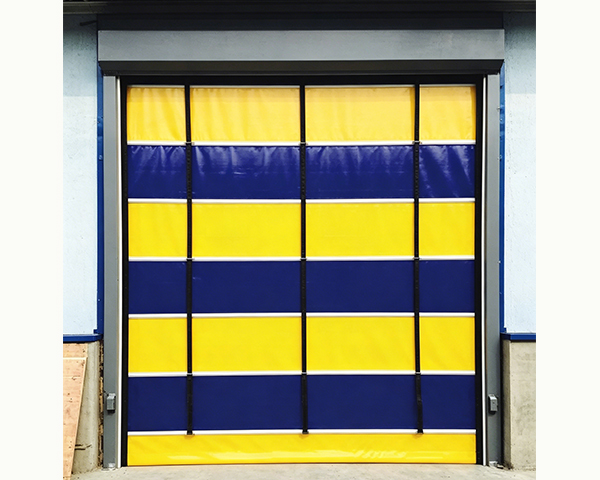
Industrial flexible doors are engineered for demanding environments where speed, safety, insulation, and long-term reliability all matter. In warehouses, logistics hubs, manufacturing plants, cold storage facilities, food processing areas, cleanrooms, and distribution centers, a durable flexible door can help maintain workflow efficiency while reducing downtime and maintenance costs. When searching for durability features of industrial flexible doors, it is important to focus on the materials, construction methods, impact resistance, sealing performance, operating cycle life, and environmental adaptability that determine real-world service life.
This guide provides an SEO-friendly, industry-focused overview of industrial flexible doors, explaining what makes them durable, which technical features improve long-term performance, and how to compare product specifications for different applications. It is designed for blog posts, category pages, industry pages, and directory content. The information below is general and does not recommend any specific brand or company.
Industrial flexible doors are high-performance access systems made from flexible curtain materials such as reinforced PVC, PVC-coated fabric, or multilayer technical textiles. Unlike rigid steel or sectional doors, these doors are designed to move quickly, absorb impact, and flex under repeated use. They are commonly installed at indoor and outdoor openings where traffic moves frequently and where temperature control, hygiene, or dust containment is required.
The term industrial flexible door can cover several door types, including rapid roll doors, high-speed fabric doors, impact doors, freezer doors, cleanroom doors, and flexible loading bay doors. Although designs vary, the shared goal is to deliver durable, low-maintenance operation in high-traffic industrial environments.
Durability is one of the most important selection criteria because industrial doors are exposed to frequent opening and closing, forklift traffic, pressure changes, temperature fluctuations, dust, moisture, and accidental collisions. A door with strong durability features can reduce repair frequency, extend service life, improve safety, and lower total cost of ownership.
In practical terms, durability affects:
The durability of an industrial flexible door depends on several technical features working together. Below are the most important features to evaluate when comparing products or writing product-focused content for SEO and industrial buyers.
The curtain is the main flexible barrier of the door, and its material quality is the foundation of durability. High-performance industrial flexible doors often use reinforced PVC fabrics, polyester mesh reinforcement, or multilayer composite materials. These materials are selected for tear resistance, abrasion resistance, weather stability, and dimensional strength.
A durable curtain should resist daily flexing without cracking, stretching, or delaminating. In high-traffic areas, the curtain may also need to handle repeated contact with pallets, forklifts, carts, and human traffic. Reinforcement structure is especially important because it helps the door retain shape and strength over a long service life.
Tear resistance is a critical durability feature because industrial doors often experience accidental contact or localized stress. A small cut can become a major failure if the curtain is not designed to stop the tear from spreading. Many industrial flexible doors use cross-woven fibers, welded seams, or layered reinforcement to slow tear propagation.
In practice, tear-resistant construction helps reduce replacement costs, especially in warehouses, logistics operations, and production environments where traffic is constant. If a door is used in a high-impact zone, tear resistance becomes one of the most important performance indicators.
Unlike rigid doors, flexible industrial doors can absorb impact and return to position after contact. This is a major durability advantage. Doors with impact-resistant bottom bars, flexible side guides, and self-resetting curtain systems are less likely to suffer major damage after collision.
Impact absorption is especially valuable in facilities with forklifts, pallet jacks, carts, and automated material handling equipment. Instead of bending or denting like rigid doors, a well-designed flexible door can flex, release, or reset with minimal interruption.
Durability is not only about the curtain. The motor, shaft, bearings, guide rails, control system, and opening mechanism must also be designed for high-cycle use. Industrial flexible doors are often opened and closed hundreds or thousands of times per day, so wear-resistant components are essential.
High-cycle hardware should support smooth movement, low friction, and stable performance over long periods. In automated systems, the drive unit should be rated for frequent start-stop operation without overheating or losing precision.
Side guides and track systems help stabilize the curtain and maintain proper alignment during operation. A durable guide system reduces friction, prevents derailment, and improves resistance to wind pressure, impact, and repeated motion.
Guide materials may include galvanized steel, stainless steel, aluminum, or engineered polymer components depending on the environment. In corrosive or wet environments, corrosion-resistant track materials are important for long-term durability.
Seams are often the weak point in any flexible product. For this reason, industrial flexible doors rely on reinforced seams, heat welding, stitching, or bonding methods that increase strength at connection points. Strong seams reduce the risk of edge failure, curtain separation, and premature wear.
Seam quality is especially important in large-format doors and in applications where the door is exposed to strong wind pressure or large temperature differences. A poorly constructed seam can shorten the useful life of the entire door system.
When flexible industrial doors are installed outdoors or near exterior loading areas, they must withstand sunlight, rain, humidity, dust, and temperature swings. UV-resistant coatings help prevent material degradation, color fading, cracking, and embrittlement.
Weather resistance supports durability by preserving the curtain’s flexibility and mechanical strength. In outdoor applications, this is a major advantage over standard low-grade flexible materials.
Industrial environments can include moisture, chemicals, salt air, washdown procedures, and condensation. In these conditions, corrosion-resistant hardware is essential. Galvanized steel, stainless steel, coated fasteners, and sealed bearings all contribute to a longer service life.
Rust and corrosion can damage moving parts, increase friction, and compromise safety. Choosing corrosion-resistant components is one of the simplest ways to improve door durability in harsh environments.
Some industrial flexible doors include self-resetting functionality or breakaway mechanisms that allow the curtain to disengage safely after impact and then return to service without major repair. This is particularly useful in forklift areas and busy logistics corridors.
These features reduce the severity of damage caused by collision and can help keep operations moving even after minor accidents. Self-resetting systems are often a key durability feature in high-traffic facilities.
A low-friction design reduces wear on the curtain, guide rails, and drive components. Smooth movement means less stress during every cycle and less heat buildup in mechanical parts. Over time, this can significantly extend the service life of the entire door system.
Low-friction performance is especially important in high-speed doors that cycle frequently throughout the day. Less friction also means quieter operation and improved energy efficiency.
Material selection has a direct impact on durability. The following table summarizes common materials used in industrial flexible doors and their general performance characteristics.
| Material | Durability Strengths | Typical Applications | Key Considerations |
|---|---|---|---|
| Reinforced PVC | Tear resistance, flexibility, easy cleaning, good weather resistance | Warehouses, loading zones, general industrial use | Performance depends on coating quality and reinforcement structure |
| PVC-coated polyester fabric | High tensile strength, flexibility, stable cycle performance | High-speed doors, clean industrial environments | Must be selected based on thickness and reinforcement pattern |
| Multilayer composite fabric | Improved insulation, strength, and wear resistance | Cold storage, controlled environments | May have higher cost but better long-term performance |
| Transparent PVC vision panels | Visibility and impact flexibility | Traffic visibility areas, safety-critical access points | May require UV protection and scratch resistance |
| Stainless steel hardware | Corrosion resistance and long service life | Food processing, washdown areas, coastal facilities | Higher cost but ideal for harsh conditions |
| Galvanized steel components | Good strength and corrosion protection | General industrial applications | Coating quality affects durability |
| Engineered polymer guides | Low friction, chemical resistance, quieter movement | Specialized high-cycle installations | Must be rated for temperature and load requirements |
Durability features create several important advantages for facility operators, maintenance teams, and project specifiers. These advantages are often used in SEO content because they answer common buyer questions and support commercial intent search terms such as durable industrial flexible doors, heavy-duty flexible door systems, and industrial door wear resistance.
One of the biggest advantages of durable industrial flexible doors is extended service life. When the curtain, hardware, and drive system are engineered for demanding use, the door can remain functional for many cycles without major replacement. This reduces capital replacement frequency and improves return on investment.
Durable components require less frequent adjustment, repair, and replacement. In facilities with many access points, lower maintenance demand can significantly reduce labor costs and simplify preventive maintenance scheduling. A durable flexible door helps keep maintenance predictable.
Door failures can interrupt material flow, affect temperature control, and create safety hazards. Durability reduces the risk of unexpected breakdowns, allowing operations to continue more smoothly. In logistics and manufacturing environments, lower downtime can have a direct impact on productivity.
Durable flexible doors are less likely to fail suddenly. Impact-absorbing designs and self-resetting systems can also reduce the chance of injury or equipment damage during accidental contact. Better durability contributes to a safer workplace.
Many industrial flexible doors are used as barriers against dust, drafts, noise, humidity, and temperature loss. Durable sealing components maintain this barrier function over time, helping protect product quality and indoor conditions.
Although a highly durable industrial flexible door may have a higher initial cost than a basic solution, the long-term savings often justify the investment. Reduced repairs, less downtime, fewer replacements, and improved energy performance all contribute to a lower total cost of ownership.
When evaluating industrial flexible doors, buyers often compare technical specifications that indicate strength, lifespan, and resistance to wear. The following table provides a practical specification guide for durability-focused selection.
| Specification Category | What It Indicates | Why It Matters for Durability |
|---|---|---|
| Curtain thickness | Material density and mechanical strength | Thicker or reinforced curtains often last longer in heavy-duty applications |
| Tear resistance | Resistance to spreading damage after cuts or impacts | Important for forklift zones and high-traffic entries |
| Cycle life rating | Number of opening and closing operations supported | Directly related to service life in high-use environments |
| Wind resistance | Ability to withstand pressure and airflow | Essential for exterior openings and large door spans |
| Operating speed | Opening and closing speed | Fast operation can reduce exposure time and improve efficiency |
| Impact recovery | Ability to reset after collision | Important for facilities with moving equipment |
| Temperature range | Environment in which the door can operate reliably | Critical for cold storage, freezer zones, and hot industrial areas |
| Corrosion resistance | Protection against rust and chemical attack | Required in humid, wet, or washdown environments |
| Sealing performance | Ability to block dust, air, and contaminants | Maintains environmental control and reduces wear from infiltration |
| Maintenance interval | Recommended time between service events | Indicates how much upkeep the door may require over time |
Different industrial settings require different durability features. A door that performs well in a dry warehouse may not be suitable for a freezer room, cleanroom, or washdown environment. Selecting the right durability profile is essential for achieving long-term success.
In warehouses and distribution centers, industrial flexible doors must withstand high traffic, forklift contact, pallet movement, and frequent cycling. Tear resistance, impact absorption, and self-resetting features are especially valuable. Speed also matters because faster door operation can reduce congestion and improve efficiency.
Cold storage environments require flexible doors with durable insulation structures, low-temperature flexibility, and strong sealing performance. Materials must remain pliable in low temperatures and resist cracking. Thermal durability is as important as mechanical durability in these applications.
Food processing areas often require cleanable, moisture-resistant, and corrosion-resistant door systems. Durable surfaces that tolerate washdown procedures, cleaning chemicals, and humidity are essential. Smooth finishes and stable seals help support hygiene and long service life.
Manufacturing environments may expose doors to dust, vibration, heat, sparks, and machinery movement. Durable industrial flexible doors for these settings need strong curtains, robust drive systems, and reinforced tracks. Depending on the production process, chemical resistance or flame-retardant properties may also be required.
In cleanrooms, durability means more than strength. The door must maintain stable sealing performance, low particle generation, and reliable operation over time. Smooth movement, easy cleaning, and wear-resistant surfaces help preserve environmental control.
Even the most durable industrial flexible doors benefit from proper use, installation, and maintenance. The following practices can improve long-term performance:
If you are writing commercial content or evaluating a product, it helps to understand the visible signs of a durable design. These signs can be used in SEO copy, buyer guides, and category pages to improve relevance for search intent.
| Visible Feature | What It Suggests | Durability Benefit |
|---|---|---|
| Thick reinforced curtain | Higher material strength | Better resistance to wear and impact |
| Strong bottom bar | Stable lower-edge support | Reduced damage from contact and airflow |
| Corrosion-proof hardware | Designed for harsh environments | Longer service life in wet or humid areas |
| Robust side guides | Better alignment and support | Less friction and lower wear rates |
| Clean seam reinforcement | Stronger connection points | Lower risk of tearing and edge failure |
| Impact-friendly design | Built for traffic-heavy areas | Greater ability to recover after collisions |
To help this content support search visibility, the following keyword themes are naturally relevant to the topic. These can be used in headings, alt text, internal links, and supporting articles without overstuffing:
A durable industrial flexible door is defined by more than one feature. It combines reinforced curtain materials, tear-resistant construction, impact-absorbing design, strong hardware, corrosion protection, weather resistance, low-friction operation, and reliable sealing performance. The best solutions are those that maintain these characteristics over thousands of cycles in real working conditions.
For industrial buyers and content creators alike, durability is a key topic because it influences safety, maintenance, operational efficiency, and long-term value. Whether the application is a warehouse, freezer room, production line, or clean environment, the right industrial flexible door should be selected based on cycle life, material quality, environmental resistance, and the specific risks of the site.
When written clearly and structured with tables, headings, and keyword-rich explanations, content about durability features of industrial flexible doors can support both user understanding and SEO performance. That makes it a strong topic for blogs, category descriptions, industry pages, and B2B product education content.
```
Shenyang Manlong Metal Products Co., Ltd.


Copyright © 2026 Shenyang Manlong Metal Products Co., Ltd. Todos los derechos reservados Aplicaciones
Este sitio web utiliza cookies para garantizar que obtenga la mejor experiencia en nuestro sitio web.

 English
 Portugues
 Pусский
 Français
 Deutsch
 العربية
 ไทย
ไทย Türk dili
 Tiếng Việt



 Teléfono
Comentario
(0)